Bituminous Coating Waterproofing
Bituminous coating waterproofing is a widely used method of protecting concrete, masonry, and metal surfaces from water penetration and dampness. The coating is based on bitumen, a black, viscous petroleum-derived material with strong water-resistant properties. Depending on the product, bitumen can be supplied as a water-based emulsion, solvent-based coating, or polymer-modified formulation.
Bituminous coatings are particularly useful for foundations, external basement walls, retaining walls and other below-ground structures where the coating can be protected from direct sunlight and mechanical damage. Manufacturers also offer polymer-modified bituminous coatings designed to provide improved flexibility, adhesion and resistance to environmental conditions.
What Is Bituminous Coating Waterproofing?
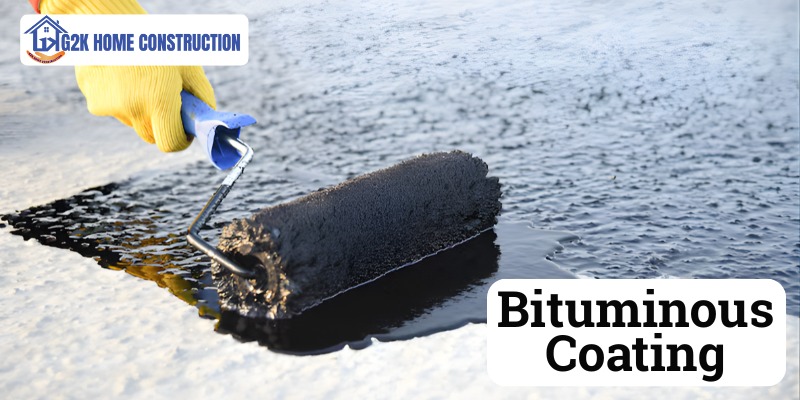
Bituminous coating waterproofing involves applying a continuous layer of bitumen-based material to a prepared surface. Once the coating dries or cures, it forms a water-resistant barrier that helps reduce moisture penetration.
Unlike bituminous membrane waterproofing, which uses prefabricated sheets supplied in rolls, bituminous coating is generally applied directly to the substrate using a brush, roller, spray, or trowel, depending on the formulation.
Polymer modification can improve the flexibility and crack-bridging characteristics of some bituminous coatings. For example, polymer-modified bitumen-rubber products are available for basement and foundation applications and can be applied by brush, spray, or trowel.
Types of Bituminous Coating Waterproofing
1. Water-Based Bitumen Emulsion
Water-based bitumen emulsions contain bitumen dispersed in water. They are commonly used for damp-proofing and protection and can offer lower odour compared with solvent-based products. Some formulations are designed for concrete surfaces that will later be backfilled.
2. Solvent-Based Bituminous Coating
Solvent-based products use organic solvents to carry the bitumen. They can provide good penetration and adhesion, but ventilation, fire safety, and manufacturer’s safety instructions should be followed carefully.
3. Polymer-Modified Bituminous Coating
Polymer-modified coatings combine bitumen with polymers or rubber to improve flexibility and performance. Certain products are specifically designed for foundations, retaining walls and external basement surfaces and may provide crack-bridging properties.
4. Bituminous Paint and Protective Coatings
Bituminous paints are used for protective and damp-proofing purposes on suitable concrete, masonry and metal surfaces. The exact use depends on the product specification and exposure conditions.
5. Bituminous Membrane
A bituminous membrane is a related but different waterproofing system. It consists of a factory-made sheet or roll containing modified bitumen. Membranes are commonly used for roofs, basements, and below-ground structures.
Applications of Bituminous Coating
Bituminous coatings can be used for:
- External basement walls
- Foundations
- Retaining walls
- Plinth and below-ground areas
- Concrete structures exposed to soil moisture.
- Suitable underground tanks
- Certain metal structures and pipelines
- Areas requiring damp-proofing and protection from ground moisture
Bituminous Coating Waterproofing Application Process
1. Surface Preparation
The substrate should be properly prepared before application. Remove dust, oil, grease, loose particles and weak material. Concrete defects such as honeycombing, blowholes and voids should be repaired using suitable repair materials.
2. Apply Primer
Where required by the selected system, apply a compatible bituminous primer to improve adhesion. Primer application methods may include brush, roller or spray. Drying requirements vary by product, so the manufacturer’s technical data sheet should be followed rather than using a fixed universal drying time.
3. Apply the First Coat
Apply the bituminous coating evenly across the prepared surface. The application method and required consumption depend on the specific product and substrate.
4. Apply Additional Coats
After the first coat has reached the required condition, apply the second coat as specified. Multiple coats may be required to achieve the designed thickness and coverage. Some products specify minimum waiting periods between coats.
5. Protect the Waterproofing
Protection is particularly important for external basement and foundation waterproofing. Protective boards or another approved protection system can help prevent damage during backfilling and subsequent construction work.
Advantages of Bituminous Coating Waterproofing
Bituminous coatings offer several benefits:
- Good resistance to water and dampness
- Strong adhesion to suitable substrates
- Economical for many below-ground applications
- Easy application using a brush, roller, spray, or trowel
- Suitable formulations for concrete and masonry
- Polymer-modified options can provide improved flexibility.
- Useful for foundations, basements and retaining walls
- Some products can be applied to damp substrates, depending on the formulation.
Limitations of Bituminous Coating
Bituminous coating is not suitable for every waterproofing situation. Conventional bitumen can have limitations when exposed directly to sunlight, temperature variations, or significant structural movement. Therefore, the coating should be selected according to the exposure conditions and manufacturer’s recommendations.
External basement coatings also require protection from mechanical damage during backfilling. For demanding waterproofing applications, a complete system may include drainage, joint sealing, protection layers, and other waterproofing components.
Bituminous Coating vs Bituminous Membrane
Bituminous coating is applied directly as a liquid or paste, whereas a bituminous membrane is supplied as a prefabricated sheet. Coatings can be useful for irregular surfaces and detailed areas, while membranes provide a controlled factory-manufactured sheet thickness.
The correct choice depends on the structure, water pressure, substrate condition, exposure, movement, and required protection system.
Conclusion
Bituminous coating waterproofing is a practical solution for controlling moisture and protecting foundations, basements, retaining walls, and other suitable structures. Proper surface preparation, compatible primer, correct coating thickness, adequate curing, and protection are essential for reliable performance.
For residential construction in Bangalore, selecting the waterproofing system according to the specific site conditions is important rather than using the same method for every application.
Contact GK Home Construction
Email: care@gkhomeconstruction.com
Call: +91 9538999535